

 Facebook
 X
 Pinterest
 Copy Link
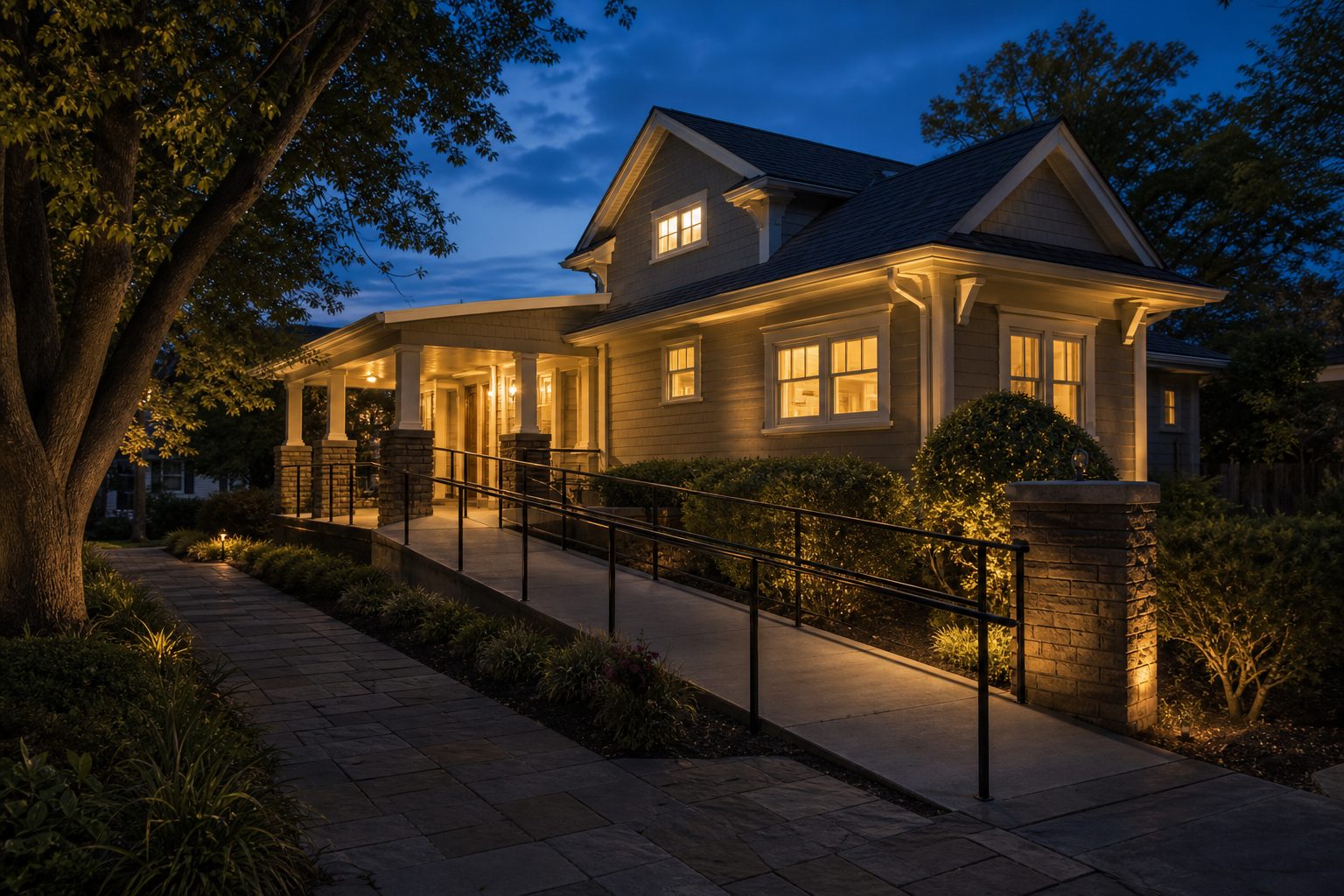
The right home for special needs housing in Central New Jersey is the one that fits the resident’s daily routine: step-free entry, a usable bathroom, room for equipment or staff, and reliable transportation to care, programs, and shopping. Confirm county services and DDD housing assistance before you commit to a house.
What should you consider when looking for special needs housing in Central New Jersey?
Start with the resident’s daily routine, not the listing photos. In Central New Jersey, that means a home with step-free entry, a bathroom and bedroom that work for the person’s actual equipment and care plan, and dependable transportation to medical care, programs, and groceries. Then confirm which county and state services apply to the address before you make an offer.
Key Takeaways
- New Jersey’s Division of Developmental Disabilities (DDD) offers rental subsidies to eligible individuals, and the subsidy can be used with provider-managed housing or a private landlord.
- The state’s disability-services helpline, 1-888-285-3036, can point you to available supports before you start touring homes.
- Cranbury is in Middlesex County and Princeton is in Mercer County, so the county disability office, and sometimes the service provider, changes with the address.
- A ramp does not make a home accessible; the bathroom, turning space, bedroom location, and parking all have to work for the resident’s actual needs.
- Test the real routes to medical providers, day programs, and shopping before choosing a town, because proximity on a map does not guarantee reliable access.
I’ll say this up front: I’m not going to rank towns by who they’re “for.” That isn’t how I work, and it isn’t how a good housing decision gets made. As a parent of a young adult with special needs, I know the house is only half of the decision. The daily routes around it are the other half. Below is how I’d evaluate both.
How do you tell if a home truly works for the person living in it?
Measure the home against the resident’s daily routine and actual equipment, not against a general idea of “accessible.” A home can look ready and still fail on the details that matter most.
Start with a support profile
Before you tour anything, write down what the home has to do. I walk my clients through this list first because it makes every showing more productive:
- Mobility needs: wheelchair, walker, lift, or stairs that need to be avoided
- Sensory sensitivities: noise, lighting, and how sounds carry between rooms
- Communication support: any devices or tools that need space or a quiet setting
- Clinical access: medication routines and how quickly care providers can get there
- Supervision and caregivers: whether a live-in or visiting caregiver may be needed now or later
- Transportation: how the person gets to appointments, programs, and work
Walk the home the way the resident lives in it
Treat “accessible” as specific to the person. Here is what I check, in roughly this order:
- Entry. Is there a step-free path from the parking area to the door?
- Doorways and hallways. Is there room for the person’s equipment, and for a staff member to assist?
- Turning space. Can the person turn around in the kitchen, bathroom, and bedroom?
- Bathroom. Is there transfer space, and is the shower configuration workable?
- Bedroom placement. Is there a usable bedroom on the entry level?
- Kitchen. Are counters, storage, and appliances within comfortable reach?
- Flooring and lighting. Are there thresholds, transitions, or glare that cause trouble?
- Emergency exit. Can the person get out safely, with or without help?
- Parking and equipment space. Is there room for a vehicle, a ramp, mobility gear, and staff?
A house with a ramp but no usable bathroom on the main level is not an accessible house for a wheelchair user. The assessment has to match the resident’s equipment and care plan. If a home needs modifications, I’d rather you hear a contractor’s opinion before you write an offer than after you own the property.
What housing support exists across Central New Jersey?
Central New Jersey has state and county resources that can shape your search, and the right office depends on the county where you’re looking. Start with these contacts, then confirm current eligibility, waitlists, and funding directly, because those details change.
| Resource | Location or Coverage | Contact |
|---|---|---|
| NJ disability-services helpline | Statewide | 1-888-285-3036 |
| Mercer County Office for the Disabled | 640 South Broad Street, Trenton | 609-989-6826 |
| Middlesex County Office of Aging and Disabled Services | 75 Bayard Street, New Brunswick | 732-745-3295 |
The helpline comes from the New Jersey Department of Human Services housing support page, and the county listings come from the New Jersey Office of the Ombudsman regional resources.
DDD rental subsidies
The Division of Developmental Disabilities housing assistance page explains that DDD offers rental subsidies for eligible individuals with developmental disabilities. The subsidy can be used whether the person lives in provider-managed housing or rents from a private landlord. Eligibility and funding availability should be confirmed with DDD or its designated housing-support system before you rely on it.
State rental assistance and accommodations
The Department of Community Affairs State Rental Assistance Program states that reasonable accommodations for disabled individuals are considered case by case, based on the person’s disability and needs. If you’re weighing renting against buying, that page is worth reading before you decide.
Residential and employment support providers
Providers matter as much as programs. Community Options lists its Mercer County office as covering Princeton, Princeton Junction, West Windsor, Lawrenceville, East Windsor, Ewing, Hamilton, Hopewell, and Robbinsville. It lists Cranbury among the communities served by its Middlesex/Monmouth office. A nearby address does not guarantee eligibility, so confirm intake requirements, availability, and travel coverage with the provider directly.
Municipal accessibility
Municipalities have a role too. Princeton, for example, states on its accessibility page that it does not discriminate against qualified individuals with disabilities in municipal programs, services, or activities, and generally provides appropriate communication aids on request. Ask any town you’re considering how it handles accessibility requests.
How do Cranbury and Princeton compare for daily routines?
Compare them by how easily the resident can reach routine destinations, not by which town sounds more appealing. Cranbury generally offers a quieter, lower-density setting. Princeton and nearby town centers may put shopping, cultural activities, and medical offices closer, and possibly make transportation more convenient.
Neither is automatically the better fit. It depends on what your routine requires. If you’re curious about the Cranbury side, I wrote about what buyers should know about moving to Cranbury.
Test the transportation before you choose a home
This is where I see the most surprises. Drive, ride, or map the actual routes the resident will take, at the times they’ll take them:
- Medical providers and therapy
- Day programs, work, or school
- Grocery stores and recreation
- Family and caregivers who will visit
Then ask each county or provider about eligibility, advance-booking requirements, service hours, wheelchair capacity, and whether trips cross county or municipal lines. The county line matters here. Cranbury sits in Middlesex County, while Princeton and many nearby communities are in Mercer County, so the answers can differ by address.
Look at the surrounding amenities
Parks, recreation, shopping, and health care all matter, but their value depends on the person. A quiet street may be the biggest asset for someone with sensory sensitivities. Someone who wants independence may care more about being able to reach a pharmacy or coffee shop reliably. This is the kind of question I work through with clients before we start touring, and I stay in close contact through every step so nothing gets missed.
Where I come in
I can’t tell you from a blog post which home or town fits your situation, and no one else can either. What I can do is help you build the support profile, screen listings against it before you spend a weekend touring, and point you to the right county and provider contacts. Because the right answer for Central New Jersey depends on the person, a conversation up front saves a lot of wasted showings.
FAQ
Can New Jersey DDD rental assistance be used with a private landlord?
Yes. According to the Division of Developmental Disabilities, its rental subsidies for eligible individuals can be used whether the person lives in provider-managed housing or rents from a private landlord. Confirm eligibility and current funding with DDD or its housing-support system before relying on it.
What home features matter most for an adult with disabilities living independently?
The features that matter most are the ones tied to the person’s daily routine: step-free entry, doorway and hallway width, turning space, bathroom transfer space, and a usable bedroom on the entry level. Also consider lighting, acoustics, parking, and room for mobility equipment or staff. The right list depends on the resident’s needs and care plan.
How can a family evaluate whether a home is truly wheelchair-accessible before buying?
Walk the home against the resident’s actual equipment, not a general standard. Check the path from parking to the door, then test turning space in the kitchen, bathroom, and bedroom, and look closely at shower and transfer space. If modifications would be needed, get a contractor’s opinion before you write an offer.
What should I consider when choosing between Cranbury and a more walkable Princeton-area location?
Compare how reliably the resident can reach routine destinations from each address. Cranbury generally offers a quieter, lower-density setting, while Princeton and nearby town centers may offer closer access to services and shopping. Test actual routes to medical care, programs, and groceries before deciding.
How can I find nearby day-program, respite, or employment services?
Start with the state disability-services helpline at 1-888-285-3036, then contact the Mercer County Office for the Disabled (609-989-6826) or Middlesex County’s Office of Aging and Disabled Services (732-745-3295), depending on the address. Provider coverage can differ by county, so confirm current availability directly.
Your next step
Special needs housing in Central New Jersey comes down to two questions: does the home work for the person’s daily routine, and can they reliably reach the services and places they need? I’d be glad to help you answer both. If you’re buying, we’ll start with a support profile and screen listings from there. If you’re selling a home that has accessibility features, we’ll talk about how to present them well. You may also find my post on the 10 most common home buyer questions helpful as a starting point.
Schedule a Consultation to talk through your situation, or Request a Free Home Evaluation if you’re thinking about selling.
Equal Housing Opportunity. Deanna Anderson, Realtor/Associate, Coldwell Banker Realty, regulated by the New Jersey Real Estate Commission. This article is general information, not legal, tax, or financial advice; confirm your own numbers and program eligibility with your closing agent, tax advisor, or lender.


